

Understanding Four-Point Home Inspections: A Comprehensive Guide

Updated: Aug 23
What a Four-Point Home Inspection Covers
A four-point home inspection looks at four main systems in a house:
Roofing
Electrical system
Plumbing system
HVAC (Heating, Ventilation, and Air Conditioning)
Each of these areas is critical because they can reveal potential safety hazards or costly repairs. Insurance companies often require this inspection to decide if they will cover the home and at what rate.
Roofing
The roof protects the entire home from weather damage. During the inspection, the inspector checks the roof’s age, condition, and any signs of leaks or damage. A roof that is near the end of its life or has visible problems can be a red flag for insurers.
Electrical System
The electrical system is inspected for safety and functionality. The inspector looks at the wiring, circuit breakers, and outlets to ensure they meet current safety standards. Old or faulty wiring can pose fire risks, so this part of the inspection is very important.
Plumbing System
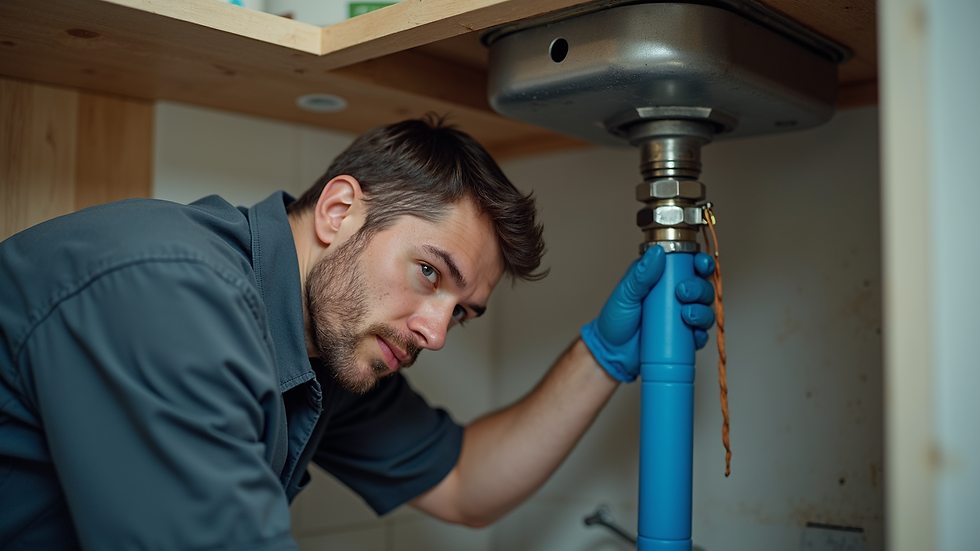
Inspectors check the plumbing for leaks, pipe materials, and water pressure. They also look at the water heater and any signs of water damage. Plumbing issues can lead to costly repairs and damage to the home’s structure.
HVAC System
The heating and cooling systems are evaluated for age, condition, and proper operation. A well-maintained HVAC system is essential for comfort and energy efficiency. Problems here can affect the home’s livability and insurance coverage.
Why the Four-Point Inspection Matters
Many homeowners and buyers don’t realize how much these four systems impact insurance and home value. Insurance companies use the four-point inspection to assess risk. If any of these systems are outdated or damaged, insurers may refuse coverage or charge higher premiums.
For example, a home with an old roof and outdated electrical wiring might be seen as a higher risk. This could lead to insurance denials or expensive policy rates. Knowing the condition of these systems helps buyers negotiate repairs or price adjustments before closing.
How a Four-Point Inspection Fits Into the Home Buying Process
A four-point inspection is often requested by insurance companies, especially for older homes. It is not as detailed as a full home inspection but focuses on the key systems that affect safety and insurance.
If you are buying a home, it’s a good idea to get a full home inspection along with the four-point inspection. The full inspection covers everything from the foundation to the attic, while the four-point focuses on the essentials for insurance.
Sellers can also benefit from a four-point inspection. It helps identify issues early so they can be fixed before listing the home. This can make the sale smoother and avoid surprises during the buyer’s insurance approval.
Choosing the Right Inspection Service
When selecting a company for your four-point inspection, look for experienced professionals who understand local building codes and insurance requirements. For example, Florida Home Inspection Plus, Inc. offers comprehensive four-point inspections tailored to Florida homes. Their inspectors provide clear reports that help clients understand the condition of their property and what steps to take next.
They also offer additional services like full home inspections and wind mitigation inspections, which can be valuable for Florida homeowners. You can learn more about their services on their website: Florida Home Inspection Plus, Inc..
What Happens After the Inspection
Once the inspection is complete, you will receive a detailed report. This report highlights any issues found in the four key areas. If problems are identified, you can decide how to address them. Sometimes repairs are necessary before insurance companies will provide coverage.
If the inspection shows everything is in good shape, it can speed up the insurance approval process. This gives peace of mind to buyers and sellers alike.

Final Thoughts on Four-Point Home Inspections
Understanding the four-point home inspection is essential for anyone involved in buying, selling, or insuring a home. It focuses on the roof, electrical, plumbing, and HVAC systems—areas that can affect safety, insurance, and home value.
If you want to know more about what is a 4 point inspection, I recommend reaching out to a trusted inspection company. They can provide expert advice and help you make informed decisions.
Taking the time to get a four-point inspection can save you money and stress down the road. It’s a smart step toward protecting your investment and ensuring your home is safe and secure.
The Bigger Picture: Home Maintenance and Insurance
Home maintenance is an ongoing responsibility. Regular inspections and upkeep can prevent small issues from becoming major problems. This proactive approach not only protects your home but also enhances its value over time.
Insurance companies appreciate homeowners who take maintenance seriously. A well-maintained home is less likely to experience significant issues, which can lead to lower insurance premiums.
The Importance of Regular Inspections
Regular inspections, including four-point inspections, should be part of your home maintenance routine. They help identify potential problems early. This can save you time, money, and stress in the long run.
Understanding Your Insurance Policy
It's essential to understand your insurance policy and what it covers. Knowing the details can help you make informed decisions about your home and its maintenance. If you're unsure about your coverage, consider discussing it with your insurance agent.
Conclusion: A Wise Investment
In conclusion, investing in a four-point home inspection is a wise decision for any homeowner or buyer. It provides valuable insights into the condition of your home and can significantly impact your insurance options.
By staying informed and proactive, you can ensure that your home remains a safe and secure investment for years to come.


Comments