

Complete Guide to Condo Inspections in Miami

Buying a condo in Miami is an exciting step. The city’s vibrant lifestyle, beautiful beaches, and warm weather attract many homebuyers and investors. But before you sign on the dotted line, a thorough condo inspection is essential. It helps you understand the true condition of the property and avoid costly surprises later.
In this guide, I will walk you through everything you need to know about condo inspections in Miami. From what to expect during the inspection to how to choose the right inspector, this post covers it all. I will also share examples of trusted inspection services to help you make informed decisions.
Why Condo Inspections Matter in Miami
Miami’s unique climate and building styles create specific challenges for condo owners. High humidity, salt air, and occasional storms can affect the structure and systems of a condo. A detailed inspection reveals issues that might not be obvious during a casual walkthrough.
A condo inspection covers more than just the unit itself. It often includes common areas, building systems, and sometimes the exterior. This comprehensive approach helps buyers, sellers, lenders, and insurance companies understand the property’s overall condition.
Getting a professional inspection can:
Identify hidden problems like water damage, mold, or electrical issues
Assess the condition of HVAC, plumbing, and electrical systems
Evaluate the building’s safety features and compliance with local codes
Provide a clear report to support negotiations or insurance claims

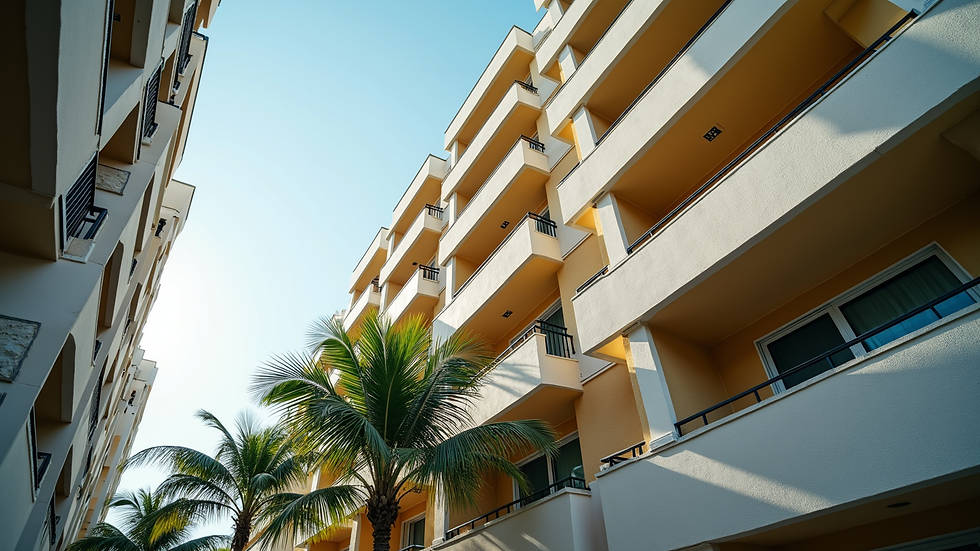
Miami condos often feature balconies with stunning views, but inspections check for structural safety and water damage.
What to Expect During a Condo Inspection
A condo inspection usually takes a few hours, depending on the size and complexity of the unit. The inspector will examine various components, including:
Interior walls, ceilings, and floors for cracks, stains, or damage
Windows and doors for proper sealing and operation
Plumbing fixtures for leaks, water pressure, and drainage
Electrical outlets, switches, and panels for safety and function
Heating, ventilation, and air conditioning (HVAC) systems for performance
Appliances included in the sale, if any
Common areas such as hallways, elevators, and pools, if accessible
Building exterior elements like balconies, roofs, and walls, when possible
The inspector will take notes, photos, and sometimes videos to document findings. After the inspection, you will receive a detailed report outlining any issues and recommendations.
Choosing the Right Condo Inspection Service in Miami
Selecting a qualified inspector is crucial. You want someone experienced with Miami condos and familiar with local building codes and climate challenges. Here are some tips to find the right professional:
Look for licensed and certified inspectors with good reviews
Ask if they specialize in condo inspections or have experience with similar properties
Check if they provide a clear, easy-to-understand report with photos
Confirm their availability and turnaround time for the inspection and report
Compare pricing but avoid choosing solely based on the lowest cost
Two reputable services I recommend for condo inspections in Miami are Florida Home Inspection Plus, Inc. and Miami Condo Inspectors. Both have strong local knowledge and offer comprehensive inspection packages.
For example, Florida Home Inspection Plus, Inc. provides thorough condo inspections that cover all critical areas. Their team uses advanced tools to detect moisture, electrical faults, and structural concerns. You can learn more about their services on their website: Florida Home Inspection Plus, Inc..

Inspectors use specialized tools to check electrical systems for safety and compliance.
Common Issues Found in Miami Condo Inspections
Miami condos often face specific problems due to the environment and building age. Knowing these common issues helps you understand what to watch for during an inspection:
Water intrusion and leaks: Salt air and heavy rains can cause water to seep through windows, balconies, or roofs.
Mold and mildew: High humidity encourages mold growth, especially in bathrooms and kitchens.
Electrical problems: Outdated wiring or overloaded circuits can pose fire risks.
HVAC system wear: Air conditioning units may need maintenance or replacement due to heavy use.
Structural cracks: Settling or storm damage can cause cracks in walls or ceilings.
Elevator and common area maintenance: These shared spaces affect your safety and comfort.
If you spot any of these issues in the inspection report, you can negotiate repairs or price adjustments with the seller. Sometimes, it’s worth investing in repairs to avoid bigger costs later.
How to Prepare for Your Condo Inspection
To get the most from your inspection, prepare ahead of time:
Schedule the inspection early in the buying process
Make sure the unit is accessible and all utilities are on
Provide the inspector with any available building documents or disclosures
Attend the inspection if possible to ask questions and see issues firsthand
Review the inspection report carefully and discuss concerns with your real estate agent or inspector
Preparation helps you avoid delays and ensures you understand the property’s condition fully.

Inspectors may also assess common areas and building exteriors to evaluate overall condition.
Using Inspection Reports to Make Smart Decisions
The inspection report is a valuable tool. It provides a clear picture of the condo’s condition and helps you decide your next steps. Here’s how to use it effectively:
Review all findings and prioritize major issues
Discuss repairs or replacements with the seller
Consider the cost of repairs in your offer or negotiations
Share the report with your lender or insurance company if needed
Use the report to plan future maintenance and upgrades
A well-documented inspection report gives you confidence in your purchase and protects your investment.
Final Thoughts on Condo Inspections in Miami
A condo inspection in Miami is more than a formality. It’s a critical step to protect your investment and ensure your new home is safe and sound. By choosing a skilled inspector and understanding what to expect, you can avoid surprises and make informed decisions.
If you want a trusted partner for your condo inspection needs, consider services like Florida Home Inspection Plus, Inc.. Their expertise and thorough approach make them a reliable choice for Miami condos.
Remember, a detailed inspection today saves you money and stress tomorrow. Take the time to get it right.
If you are ready to schedule a condo inspection miami, reach out to a professional service that understands the local market and building conditions. Your peace of mind is worth it.


Comments