

Understanding Condo Inspections in Miami: A Condo Inspection Guide

When buying or selling a condominium in Miami, understanding the inspection process is crucial. A thorough condo inspection can reveal hidden issues, protect your investment, and provide peace of mind. I have seen many clients benefit from knowing exactly what to expect during a condo inspection. This guide will walk you through the essentials, helping you make informed decisions with confidence.
The Importance of a Condo Inspection Guide
A condo inspection is not just a routine check. It is a detailed evaluation of the property’s condition, focusing on both the individual unit and the shared elements of the building. Miami’s unique climate and building styles make inspections especially important here. Salt air, humidity, and older construction can lead to specific problems that a standard home inspection might miss.
By following a clear condo inspection guide, you can:
Identify structural or mechanical issues early
Understand the condition of shared amenities and common areas
Assess potential maintenance costs
Ensure compliance with local building codes and regulations
This process helps buyers avoid costly surprises and sellers present their property transparently. Lenders and insurance companies also rely on inspection reports to assess risk accurately.
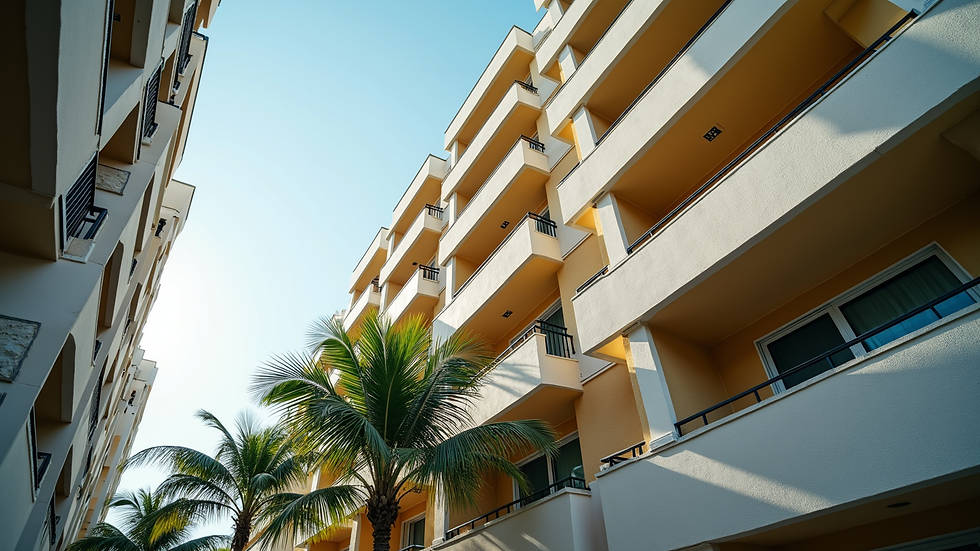
What to Expect in a Condo Inspection Guide
A comprehensive condo inspection covers several key areas. Inspectors will examine the unit’s interior, including walls, ceilings, floors, windows, doors, plumbing, electrical systems, HVAC, and appliances. They will also evaluate the building’s common elements such as the roof, elevators, hallways, pool, and parking areas.
Here are some practical tips to prepare for the inspection:
Schedule the inspection early - Don’t wait until the last minute. Early inspections allow time for repairs or negotiations.
Attend the inspection - Being present helps you ask questions and understand the findings firsthand.
Review the condo association documents - These often include maintenance records, financial statements, and rules that impact your ownership.
Request a detailed report - A clear, written report with photos and recommendations is essential for decision-making.
Understanding these steps ensures you get the most value from your inspection.
What Inspections Are Needed for a Condo?
Condo inspections differ from single-family home inspections because of shared ownership and responsibilities. Here are the main inspections you should consider:
Structural Inspection: Checks for cracks, water damage, and foundation issues in both the unit and the building.
Roof and Exterior Inspection: Evaluates the condition of the roof, balconies, windows, and exterior walls.
Plumbing and Electrical Inspection: Ensures all systems are functioning safely and efficiently.
HVAC Inspection: Confirms heating, ventilation, and air conditioning units are in good working order.
Pest Inspection: Detects any signs of termites, rodents, or other pests.
Pool and Amenities Inspection: Reviews the condition and safety of shared facilities.
Each inspection provides a piece of the overall picture. For example, a well-maintained unit might still have issues if the building’s roof is leaking or the plumbing is outdated. A thorough approach helps avoid unexpected expenses.

How to Choose the Right Condo Inspector
Selecting a qualified inspector is vital. Look for professionals with experience in Miami’s condo market and knowledge of local building codes. Here are some criteria to consider:
Certification and Licensing: Verify credentials and membership in professional organizations.
Specialization in Condos: Inspectors familiar with condo-specific issues provide more accurate assessments.
References and Reviews: Check feedback from previous clients.
Comprehensive Services: Choose inspectors who offer detailed reports with photos and clear explanations.
Communication Skills: A good inspector explains findings in understandable terms and answers your questions patiently.
I recommend interviewing a few inspectors before making a decision. A trusted inspector becomes a valuable partner in your real estate journey.
After the Inspection: What Comes Next?
Once the inspection is complete, you will receive a detailed report. This document highlights any defects, safety concerns, and maintenance recommendations. Here’s how to use it effectively:
Review the report carefully - Understand the severity and cost implications of each issue.
Discuss with your real estate agent or attorney - They can help negotiate repairs or price adjustments.
Consult the condo association - Confirm if common area repairs are planned or covered by reserves.
Plan for future maintenance - Use the report to budget for upcoming repairs or upgrades.
Remember, no property is perfect. The goal is to identify manageable issues and avoid surprises. A well-conducted inspection empowers you to make smart, confident decisions.
Final Thoughts on Condo Inspections in Miami
Navigating the condo inspection process can feel overwhelming, but it doesn’t have to be. With the right knowledge and support, you can protect your investment and enjoy your Miami condo with confidence. Whether you are buying, selling, or financing, a thorough inspection is a critical step.
If you want to learn more or schedule a professional condo inspection miami, reach out to trusted experts who understand the local market and building nuances. Their expertise will guide you through every detail, ensuring a smooth and informed transaction.
Taking the time to understand condo inspections today will save you time, money, and stress tomorrow.


Comments