

Essential Safety Inspection Tips for Your Home

Keeping your home safe is a top priority. Whether you just bought a house or have lived in one for years, regular safety checks can prevent accidents and costly repairs. I want to share practical tips that help you spot potential hazards early and keep your home secure.
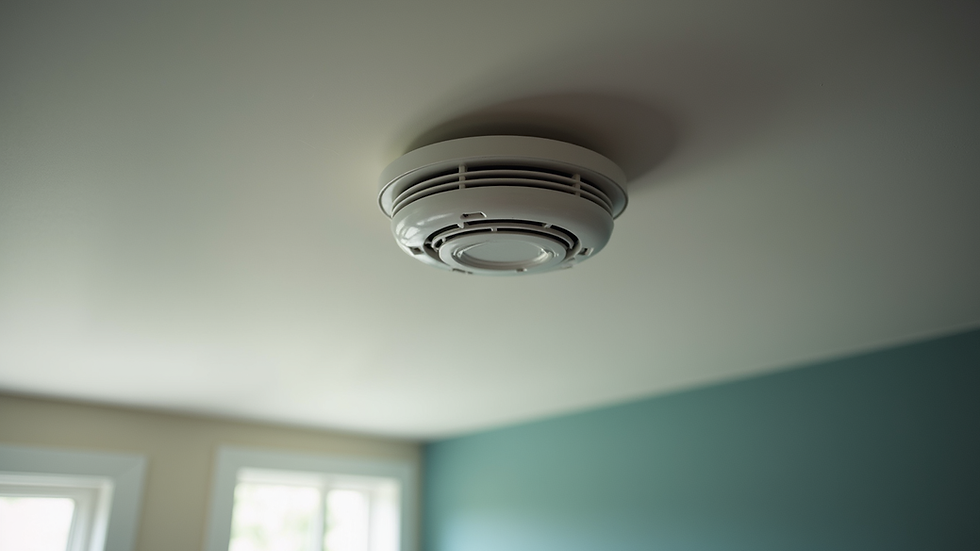
Smoke detectors are vital for early fire warnings.
Check Your Smoke and Carbon Monoxide Detectors
Smoke and carbon monoxide detectors save lives. They alert you to fire or dangerous gas leaks before you even notice a problem. I recommend testing these devices every month. Press the test button to make sure the alarm sounds loud and clear.
Replace batteries at least once a year or when the low battery warning beeps. If your detectors are over 10 years old, it’s time to replace them. Newer models often have better sensors and longer battery life.
Installing interconnected smoke alarms is a smart move. When one alarm sounds, all alarms in the house will ring. This gives everyone more time to react, especially in larger homes.
Inspect Electrical Systems and Outlets
Electrical issues cause many home fires. Look for signs of trouble like flickering lights, warm outlets, or outlets that don’t work. Avoid overloading outlets with too many devices.
If you see cracked or damaged cords on appliances, replace them immediately. Use surge protectors to guard sensitive electronics from power spikes.
Consider hiring a licensed electrician to inspect your home’s wiring every few years. They can spot hidden problems like outdated wiring or loose connections that you might miss.
Maintain Heating and Cooling Systems
Heating systems, especially gas furnaces, can pose safety risks if not maintained. Have your HVAC system inspected and cleaned annually by a professional. This reduces the risk of carbon monoxide leaks and improves efficiency.
Change air filters regularly to keep air quality high and prevent dust buildup. Check vents and chimneys for blockages or damage.
Look for Water Damage and Mold
Water leaks can weaken your home’s structure and cause mold growth. Check under sinks, around toilets, and near appliances like washing machines for signs of leaks or water stains.
Mold can cause health problems, especially for people with allergies or asthma. If you spot mold, clean small areas with a mixture of water and detergent. For larger infestations, call a professional.
Secure Windows and Doors
Windows and doors are entry points for intruders and can also be safety hazards if they don’t close or lock properly. Test all locks and latches regularly.
Install deadbolt locks on exterior doors for added security. Consider adding window sensors or alarms for extra protection.
For homes in hurricane-prone areas like Florida, reinforcing windows with impact-resistant glass or storm shutters is a wise safety step.
Keep Fire Extinguishers Handy
Having a fire extinguisher in key areas like the kitchen and garage can stop small fires before they spread. Make sure everyone in your household knows how to use it.
Check the pressure gauge on your extinguisher monthly and replace or service it as needed.
Use Professional Home Inspection Services
A thorough home inspection by a professional can uncover hidden safety issues. For example, Florida Home Inspection Plus, Inc. offers detailed inspections that cover electrical systems, HVAC, plumbing, and structural elements. Their team helps homeowners, investors, and lenders understand the condition of a property clearly.
They also provide safety inspection for homes that focus on identifying risks and recommending solutions. This service is especially useful before buying or selling a home.

Professional inspections reveal hidden safety concerns.
Test Your Home’s Security System
If you have a security system, test it regularly. Check sensors on doors and windows, motion detectors, and cameras. Make sure the system connects properly to your monitoring service.
Update your security codes and passwords periodically. If you don’t have a system, consider installing one. Modern systems offer remote monitoring and alerts on your phone.
Keep Your Home Free of Clutter and Hazards
Clutter can block exits and create tripping hazards. Keep hallways, stairs, and doorways clear. Use non-slip mats in bathrooms and kitchens.
Store cleaning supplies, tools, and chemicals in locked cabinets away from children and pets.
Prepare for Emergencies
Create an emergency plan for your household. Know the evacuation routes and designate a meeting spot outside your home.
Keep a first aid kit, flashlight, and emergency supplies in an easy-to-reach place. Practice fire drills with your family so everyone knows what to do.
Conclusion
Regular safety checks protect your home and loved ones. From testing smoke detectors to inspecting electrical systems and securing doors, these steps reduce risks and give you peace of mind.
Using professional services like Florida Home Inspection Plus, Inc. can help you catch hidden problems early. Their safety inspection for homes is a valuable resource for anyone wanting a thorough review.
Start with small actions today. Test your alarms, clear clutter, and schedule a professional inspection. A safe home is a happy home.


Comments